Table Of Content
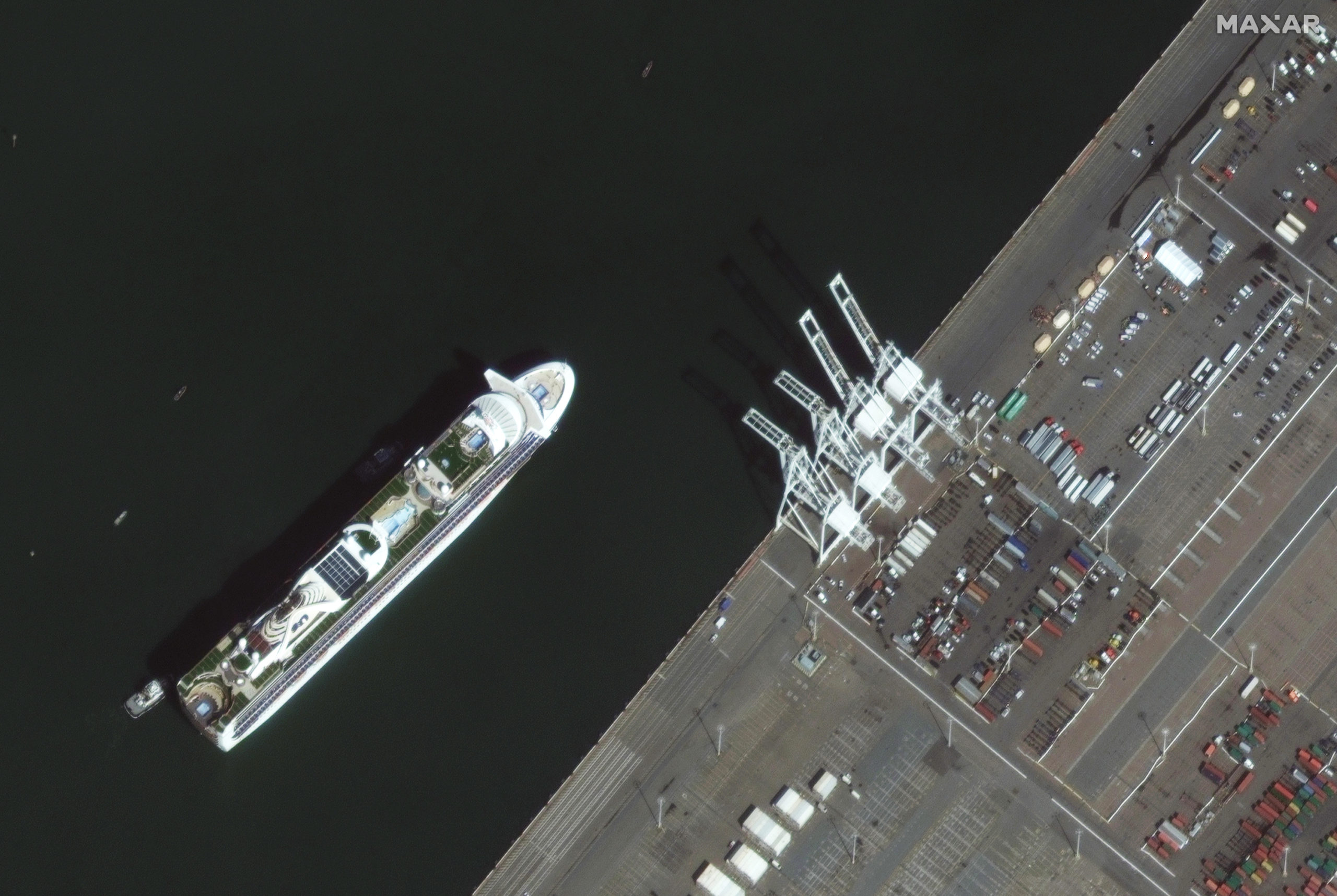
Bad, if meant to happen, will happen anyway, and nothing can change it. The cruise terminal and the near area were thoroughly cleaned and sanitized. "MSC Cruises rigorously adheres to health protocols, and the results of this inspection do not reflect the brand's high standards," the person added.
Norovirus outbreaks on cruise ships
“Norovirus is one of the few viruses that doesn’t get deactivated by alcohol. You actually need to use soap and water to physically destroy it and remove it from your hands,” Ostrosky previously told TODAY.com. Exposure to less than 100 norovirus particles can make someone sick, and infected people typically shed billions of particles, according to the CDC.
Legionnaires’ disease
Norovirus is typically spread by ingesting small particles of fecal matter, eating contaminated food, touching contaminated objects or surfaces and then touching the mouth or eyes, or having direct contact with an infected person. An infected person is the most contagious when symptoms are present and within the first few days of feeling better. According to the Minnesota Department of Health, symptoms of norovirus infection include vomiting, nausea, diarrhea, stomach pain, muscle aches, low-grade fever and headache. These symptoms usually appear between one to two days after contracting the virus but can appear as early as 12 hours after exposure.
Why is Norovirus a problem on Cruise Ships?
In humans, Zika virus causes the Zika fever which is known to occur only within some equatorial regions. In 2014, Zika spread across the Pacific Ocean to French Polynesia, and soon to Easter Island. In 2015, Zika virus reached Central America, the Caribbean, and South America.
However, this industry’s lustrous appeal has recently been overshadowed by a surge in outbreaks of a particularly stubborn and contagious pathogen — Norovirus. Mathis says older passengers and others traveling with family face a risk from others in their party. For example, if grandchildren aren’t careful hand-washers, they can easily infect their grandparents and others.
How to Avoid Getting Norovirus on Cruise Ships - Health.com
How to Avoid Getting Norovirus on Cruise Ships.
Posted: Mon, 17 Jul 2023 07:00:00 GMT [source]
Norovirus outbreaks 2023 reports
The exact cause for the increase in the number of norovirus cases is not clear, but the increasing demand for cruises could be one explanation for the rise in reported cases, said Labus. It operates hospital ships since 1978 and also has currently the world's largest hospital ship (excluding navy vessels) - MV Africa Mercy. On most vessels, the medical facilities are located midship on a lower deck (for easier access and better stability) and usually among other crew facilities. Every passenger stateroom has the Infirmary's number - posted or by the cabin's phone.
This means Norovirus outbreaks are reported more quickly on ships than on land. Just for comparison, the virus can afflict as many as 3000 people per day in only one big city, which is about the passenger capacity of a typical modern cruiser. Even with stringent vaccination, testing and masking, among other protocols, it is fairly common for coronavirus cases to emerge among passengers and crew on cruise vessels. After a lull during the COVID-19 pandemic, cases of the highly contagious virus that causes diarrhea and vomiting, aka stomach flu, spiked this winter and spring on land.
How to avoid Norovirus on cruise ships?
However, Norovirus has been known to close schools, attack college dormitories and even infect a Hollywood Academy Awards party. The virus is commonly spread through direct contact with an infected person, consuming contaminated food or water, or touching surfaces or objects contaminated with the virus. One of the main challenges in containing norovirus is its ability to survive on various surfaces for a significant amount of time, making it easy to pick up unknowingly. While there have been 13 outbreaks of norovirus on cruise ships this year, Labus explained that not every cruise passenger is going to be exposed to the virus.

Secondly, clean and disinfect high touch surfaces such as doorknobs, faucets, handles, and that statue of Dwayne “The Rock” Johnson in the dining hall. Use either a chlorine bleach solution that has a concentration of at least 1,000 to 5,000 parts per million or use a disinfectant that’s registered with the Environmental Protection Agency (EPA) as being effective versus norovirus. Some of the cruise companies are fighting another battle, too — against state governments that have passed laws or executive orders aimed at stopping vaccine mandates. On Wednesday, Texas Gov. Greg Abbott passed an executive order banning any state or local mandates requiring Covid vaccination. In Florida, home to multiple popular cruise departure ports, Gov. Ron DeSantis signed an executive order in May prohibiting vaccine passports statewide. Moreover, the cruise industry often finds itself under scrutiny following an outbreak, which can affect the public’s perception and willingness to book cruises, ultimately impacting the industry’s bottom line.
Just because many have eased up on Covid-19 precautions doesn’t mean that you should stop washing your hands. If you have stopped washing your hands, please don’t go to any parties, ever. Royal Caribbean offered a full refund to passengers on an Oasis of the Seas sailing that returned to its homeport early due to a Norovirus outbreak onboard.
Dr. Anthony Fauci, the nation's leading expert on infectious diseases, recently said that he thinks the country will have control over Covid and regain a sense of normalcy by spring 2022. But even then, travel and cruises will likely be high-risk activities. Norwegian Cruise Line sued Florida's top health official in July, requesting a preliminary injunction to let the company implement its vaccine mandate for all passengers and crew. District Judge Kathleen Williams writing that Norwegian "demonstrated that public health will be jeopardized if it is required to suspend its vaccination requirement."
The confined environment of a cruise ship, combined with the virus’s highly contagious nature, creates a significant challenge. It’s crucial for cruise lines, passengers, and health officials to remain vigilant, proactive, and informed to prevent and contain potential norovirus outbreaks. The CDC's "Vessel Sanitation Program" is for monitoring illness outbreaks on passenger ships carrying 100 or more guests on sailings from 3 to 21 days in length.
Violations can include something as small as not posting a raw-eggs advisory on the omelet station or a single fly hovering in a food area. But before going on your next cruise adventure, it doesn't hurt to check out the ship's most recent sanitation rating. There's nothing like a stomach virus to ruin your vacation, as hundreds of cruise ship passengers have unfortunately learned this year. And while you might still have a closet full of hand sanitizer from the COVID days, keep in mind that hand sanitizer doesn’t work well against norovirus. Legionnaires’ disease (legionellosis) is a form of pneumonia that can be life-threatening. It is caused by a bacterium that thrives in water and the disease is likely environmentally related.




No comments:
Post a Comment