Table Of Content

Whether it’s a small corner of your backyard or a larger area dedicated to your Zen retreat, understanding the dimensions and natural flow of the space is crucial. Incorporate the symbolic use of circles and squares in your garden’s layout to represent the philosophical concepts of heaven and earth, adding a layer of depth to your garden’s design. Set up a shaded area with comfortable seating, surrounded by tall plants or bamboo screens. This secluded nook offers a private space for meditation or quiet reflection.
Why do zen gardens relieve stress? - National Geographic
Why do zen gardens relieve stress?.
Posted: Tue, 14 Apr 2020 07:00:00 GMT [source]
Zen Garden Plants Ideas
If you prefer a manicured style, go with a sleek, geometric-shaped pond instead. Many aspects of creating a Zen garden are well within the reach of a DIY enthusiast. Tasks like raking gravel, placing stones, and planting can be deeply rewarding and meditative practices in themselves. Creating your Zen garden is a personal journey, an opportunity to express your understanding of Zen principles and your connection to the natural world. Here’s how to bring the peaceful essence of a Zen garden into your own space.
Step 3 – Select the Right Sand and Stones
We could all use a little more Zen, especially here in Southern California where we often experience a hectic pace of life. It’s no wonder that Japanese-style Zen Gardens are becoming increasingly popular. We all crave peace and simplicity, and more and more of us are finding it in our own backyards. Trees and shrubs, often placed singly as or along a perimeter of a Zen garden, often are evergreen to create a year-round complement to the other elements. At the base of a dry waterfall, place a layer of “gravel or white sand to make a dry stream,” advises the Dictionary of Japanese Architectural and Art Historical Terminology.
Buying Guides
A cluster of 18 Jodo temples, the Komyo-ji temple is home to a beautiful Buddhist-style Zen garden. A pond in the middle of the garden adds to the alluring beauty and manifests a sensation of divinity and serenity. A large number of Japanese maple trees encompass the gardens.

The concept of Zen gardening is deeply rooted in Zen Buddhism, emphasizing the importance of simplicity, natural beauty, and the mindful appreciation of the present moment. With shining white petals, Camellia japonica 'Silver Waves' will brighten any partial shade garden with silvery semi-double blooms and a bullseye of bright yellow stamens. These are broad-leaved evergreen shrubs, hardy in zones 7 - 9, with glossy, deep green foliage. Japanese maple trees, or acers, are also an elegant choice for smaller yards.
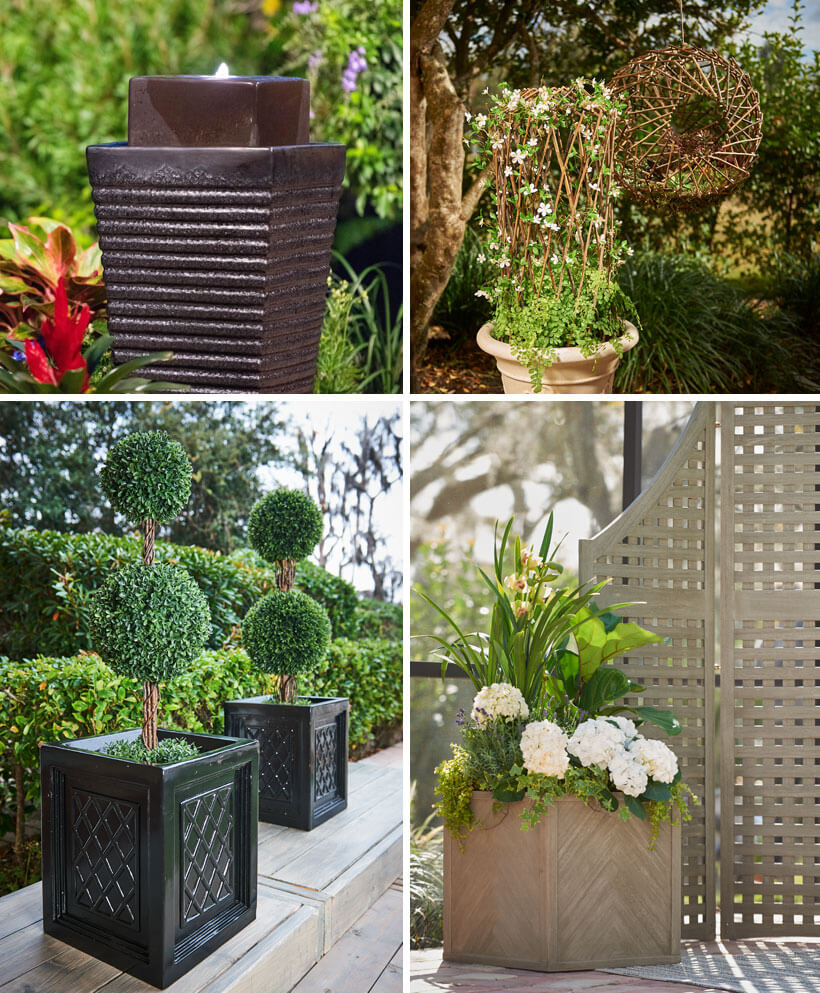
Turn your living room into one of the most inspiring Indoor Zen gardens with wooden decor, gravel and stone floors, and massive planters. Check out this traditional Zen Garden Idea of a stone pathway and a massive planter in the backyard full of incense sticks. Go for this gravel corner with bamboo poles, a small stone lamp, and golden-green foliage.
Choose a Site for a Zen Garden
Sanmon gates are integral architectural aspects of Buddhist temples, meant to separate the sacred from the profane, the outside world from the temple grounds. Because they are symbolic, sanmon cannot physically prevent entrance or egress the way our backyard fence gates do. Instead, their multiple open entrances represent the transformative power of passing from one environment to another.
That's why you need a lot of small stones or sand to design such garden. Instead, he replaces this traditional material with natural stone, carving, and hand-chiseling unique water features, or with copper pipes. Using stone fountains and adapting his plant choices ensures the garden will stand the test of time in SoCal, even in drier years. The purpose of a Zen garden is to provide a meditative and reflective environment where individuals can find inner peace, engage in mindfulness, and connect with nature.
Mini Zen Garden Ideas
Choose plants with healing properties for beds and borders such as echinacea, fennel or lemon balm. It will bring a touch of color to the scene, whilst its gentle sway in the breeze will enhance the feelings of Zen. Add a traditional Japanese wooden gate to your home and create an entryway.
Elements of Japanese zen gardens can be incorporated into both large and small outdoor spaces, encouraging garden owners to stop and slow down. Both options create a smooth and calming surface that can be easily raked. Gravel is often preferred for larger gardens, while sand is commonly used for smaller, more intricate designs.
6 ivy garden ideas for endless evergreen appeal - Ideal Home
6 ivy garden ideas for endless evergreen appeal.
Posted: Thu, 21 Dec 2023 08:00:00 GMT [source]
For example, Kohei makes Southern California-friendly plant choices throughout his Zen Garden installations (Keep reading for a detailed list of his favorites). Traditionally, Japanese gardens feature bamboo water fountains that fill and empty as the water cycles and gravity does its work. Kohei takes note of our arid climate, observing that harvested bamboo doesn’t last long in dry air. While there are a number of other qualities that set Kohei’s work apart from the rest, his primary calling card is how he marries ancient and contemporary design. He takes ageless elements and adds a modern twist, adapting the traditional to the Southern California climate. Capture this concept, and you’ll be on your way to understanding the principles behind Japanese landscaping.
The garden is regarded as one of Japan’s Places of Scenic Beauty, an honor received by few. It features a collection of large rocks and boulders along with the customary white gravel and small pebbles. Dubbed as the Temple of the Dragon at Peace, Ryōan-ji is one of the finest Zen gardens. It is situated inside the Ryōan-ji Zen Temple in Kyoto, Japan. The temple and its gardens are listed as a UNESCO World Heritage Site.
"But it does not need stones. The void can be more important than the stone itself," says Torii. Perhaps the simplicity of raked gravel calls to you, or the gentle sound of a bamboo water feature. Zen gardens, or karesansui (dry landscape gardens), trace back to medieval Japan, serving as a tool for Zen Buddhist monks to aid in meditation and reflection.
Unlike the lush landscapes of traditional gardens, Zen gardens utilize minimal elements such as sand, rocks, water, and plants to create a serene and contemplative space. Strategically placed stones are the focal points of zen gardens, evoking a sense of balance and harmony. Carefully curated arrangements of rocks, boulders, or pebbles can represent mountains, islands, or symbolic representations of natural elements. The rocks and stones within your zen garden ideas are there to mimic mountains, waterfalls and islands so are part of a larger calming landscape. Sand or gravel raked into patterns represents water, while larger rocks suggest islands, mountains, animals, or natural elements such as fire and earth.
These deciduous trees are particularly good for introducing colored foliage into the garden, often seen in crimson reds. Whether you live in a bustling city or a quiet countryside, creating a Zen garden allows you to escape from the demands of everyday life and find solace in nature. It is a sanctuary where you can find stillness amidst the chaos, and discover the beauty of simplicity. Its tall and slender stalks can add vertical interest and create a sense of movement in your garden. Bamboo can be used as a fence or as a decorative element, adding a touch of elegance and serenity to the overall design. By following these steps, you can create a Zen garden that not only reflects your personal style but also provides a space for relaxation and contemplation.
Zen gardens are special so chances are you won’t find many around. That’s one reason why we receive lots of questions about these gardens. This way, you’ll be able to enjoy your flower beds without giving up on your dream Zen garden. You will no longer have to worry about giving it sunlight or water. Because your garden is contained in a tray or container, it’s easy to move so you can place it on your office work table if you want. Then a sofa and armchair set-up or modular design that can be arranged to fit your space is worth considering.




No comments:
Post a Comment